
Shoulder pain can make even basic activities, like reaching high into a kitchen cabinet or putting on clothes, feel frustrating. If you have tried non-surgical treatments for your shoulder pain but are still suffering through daily activities, shoulder replacement may be the best option. At MCJR, Dr. Daniel Gerow specializes in both the anatomic and reverse total shoulder replacement. But what is the difference between the two?

Healthy Shoulders: How They Work
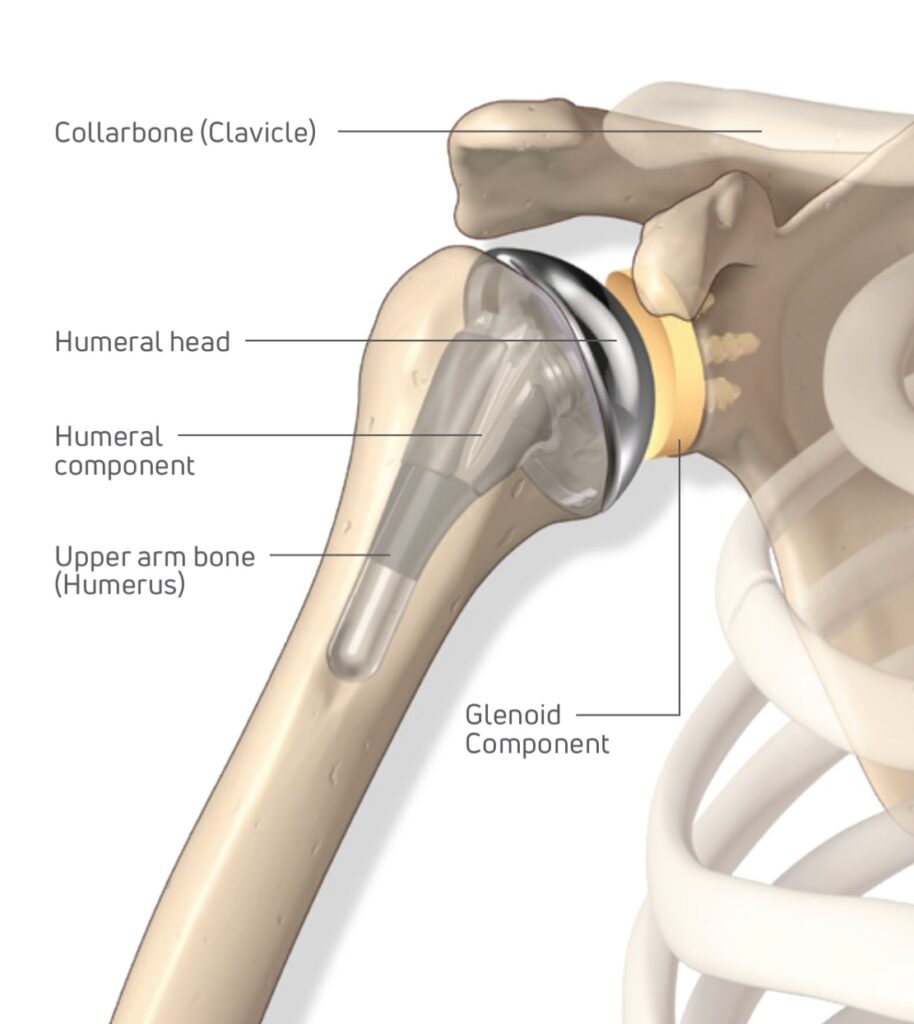
Just like the hip, the shoulder is a ball-and-socket joint. The “ball” is at the top of the upper arm bone (humerus), which fits right into the “socket” of the shoulder blade (glenoid). The rotator cuff – which is a group of muscles and tendons surrounding the joint – keeps the ball centered in the socket.
If arthritis causes the cartilage to wear down (your ball-and-socket are “bone on bone”), or if your rotator cuff has been severely damaged, the shoulder joint can become painful, weak, and cause significant loss of motion. This is when a shoulder replacement may be the best treatment option.
What is an Anatomic Shoulder Replacement?
Anatomic (or traditional) total shoulder replacement mimics the body’s natural anatomy. In this procedure, the surgeon removes the ball and socket of your shoulder joint and replaces them with implants.
This procedure works best when:
-
The rotator cuff is intact and functioning
-
The primary issue is arthritis
-
The joint damage is limited to the cartilage and bone
Because the mechanics of the shoulder remain the same, patients with a healthy rotator cuff often experience excellent pain relief and improved range of motion after anatomic replacement.
What is a Reverse Shoulder Replacement?
Reverse total shoulder replacement is different. Instead of placing the ball on the arm bone and the socket on the shoulder blade, the surgeon switches the ball and socket positions, so an implant ball is attached where your socket was (shoulder blade) and an implant socket is attached to where the ball was (humerus).
Reverse shoulder replacement is typically necessary for:
-
Torn or non-functioning rotator cuffs
-
Rotator cuff tear arthropathy
-
Severe arthritis
-
Fractures
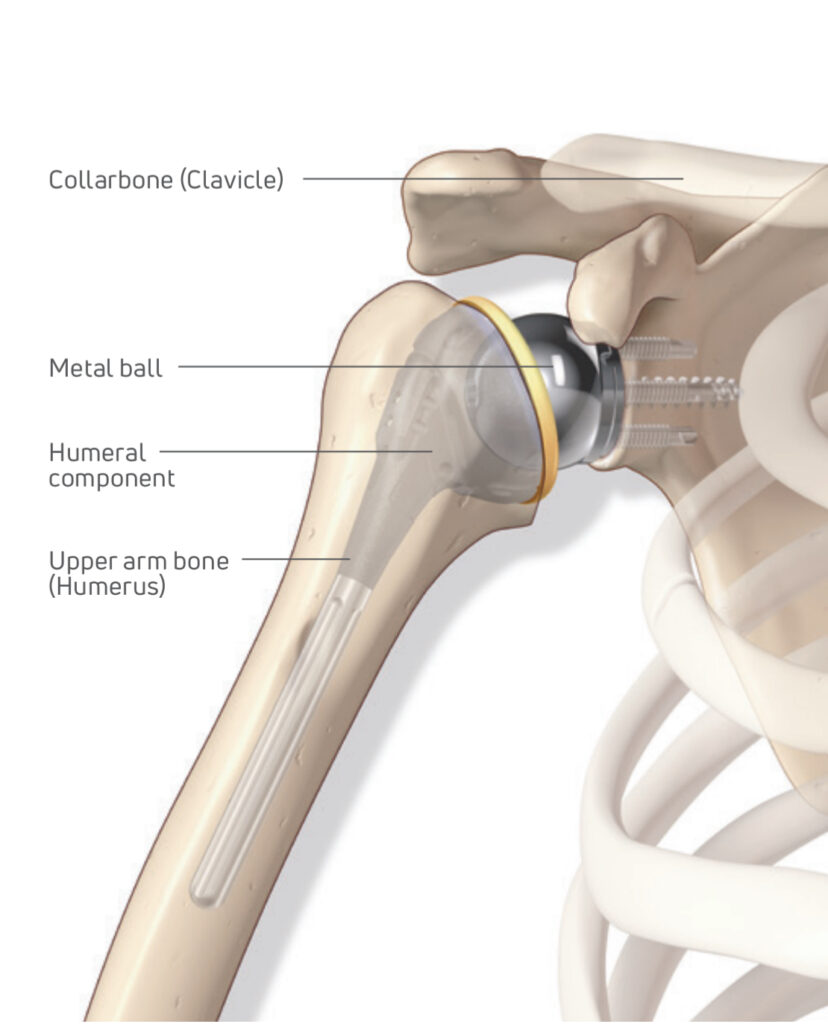
By reversing the joint, the procedure allows the larger deltoid muscle to take over much of the lifting and motion of the arm, since the rotator cuff can’t function normally.
Here is one of our patients, Norm, just two weeks after his reverse total shoulder replacement with Dr. Gerow. He has made significant progress in just two weeks!
Watch: Norm’s progress, reverse total shoulder
Which option is best for you?
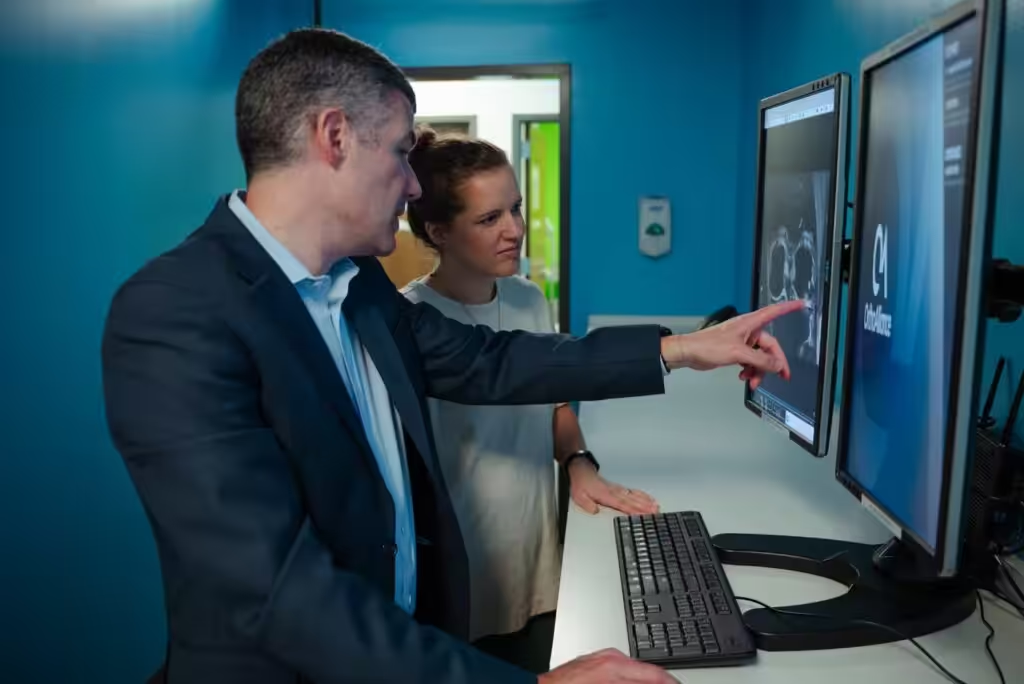
The decision between anatomic and reverse shoulder replacement depends on the condition of your rotator cuff, the degree of arthritis or damage, and your overall goals. Should you come in for an appointment with MCJR, Dr. Daniel Gerow will carefully evaluate you with x-ray imaging and a thorough physical exam to determine the most appropriate approach.
Both procedures are highly effective. If shoulder pain is limiting your daily function, request an appointment with Dr. Gerow today.